Understanding Lasting Powers of Attorney (LPA)
A Lasting Power of Attorney is a legal document which allows you to choose who can make decisions on your behalf if there ever comes a time when you are unable to make them yourself. There are two separate types, each covering a different area of your life.

Health and Welfare Lasting Power of Attorney
These decisions can include:
- Medical treatment and healthcare
- Where you live and the care you receive
- Day-to-day matters such as personal care, diet and routine
- Social activities, holidays and quality-of-life choices.
Without this document in place, those closest to you may have no legal authority to make decisions, even if they know exactly what you would want. In those circumstances, decisions may instead be made by medical professionals or social services.
A Health and Welfare LPA allows your voice to be heard even when you can no longer speak for yourself. You can also include guidance or specific instructions to help your attorneys make decisions that reflect your values and preferences.
Property and Financial Affairs Lasting Power of Attorney
This can include:
- Managing bank accounts and savings
- Paying bills and household expenses
- Claiming pensions, benefits or insurance payments
- Managing investments
- Selling or dealing with property if needed.
If you lose capacity without this LPA in place, your finances may effectively be locked. Even spouses or civil partners cannot automatically step in. This often leads to delays, stress and costly applications to the Court of Protection.

Frequently Asked Questions
What Is a Lasting Power of Attorney?
At its core, an LPA is about choice and control. It allows you to decide who you trust to act for you, set limits on what they can do, provide guidance and avoid court involvement wherever possible.
Is an LPA Only for Older People?
Loss of capacity can happen at any age, often unexpectedly through illness, injury or accident. An LPA is not about age. It is about being prepared.
Who Should Have a Lasting Power of Attorney?
The government recommends that all adults over 18 consider putting LPAs in place. They are particularly important if you own property, have savings or investments, run a business, have dependants or are over 50.
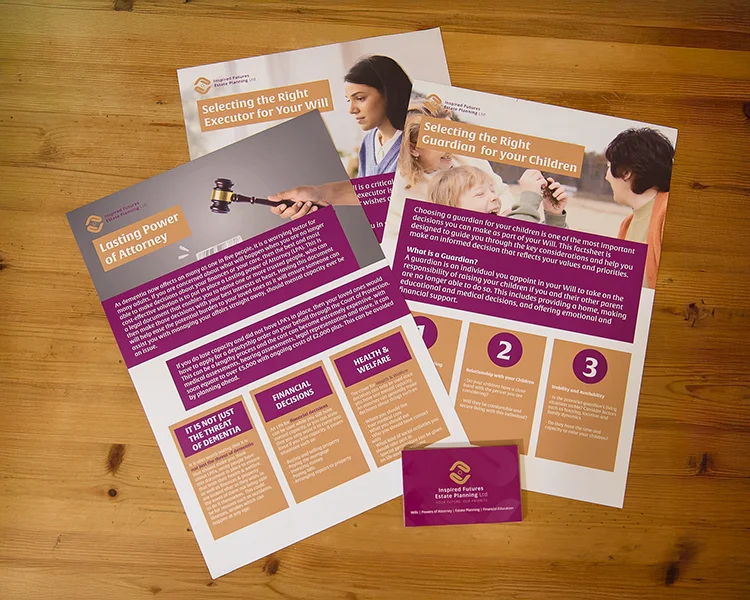
How LPAs Work in Practice
Without a Property and Financial Affairs LPA:
- Sole bank accounts cannot be accessed
- Joint accounts may be frozen
- Insurance payouts cannot be claimed
- Property cannot be sold or remortgaged
- Benefits cannot be applied for
- Income may cease entirely.
Health & Welfare Decisions
With the appropriate authority, your attorneys may be able to:
- Decide where you live
- Make daily care decisions
- Consent to or refuse medical treatment
- Arrange holidays or social activities
- Ensure your dignity and comfort are protected.
What Happens Without a Lasting Power of Attorney?
If no LPA exists and capacity is lost, loved ones may face applications to the Court of Protection, long delays, ongoing supervision, limited authority causing not only significant legal costs but a huge amount of time and emotional stress.
Putting Your Plans in Place
Creating a Lasting Power of Attorney is one of the most important steps you can take to protect yourself and those you care about most. We guide you through the process carefully, sensitively and at your pace.
Prices start from £287.50. The fees for our work will be disclosed and agreed before work commences.
Book that important call today: You can reach me on 01476 240230 or drop me a line at annie@inspiredfuturesep.co.uk